Popular Science on Safety Hazards of Outdoor Laser Lights, These Details Must Be Noted
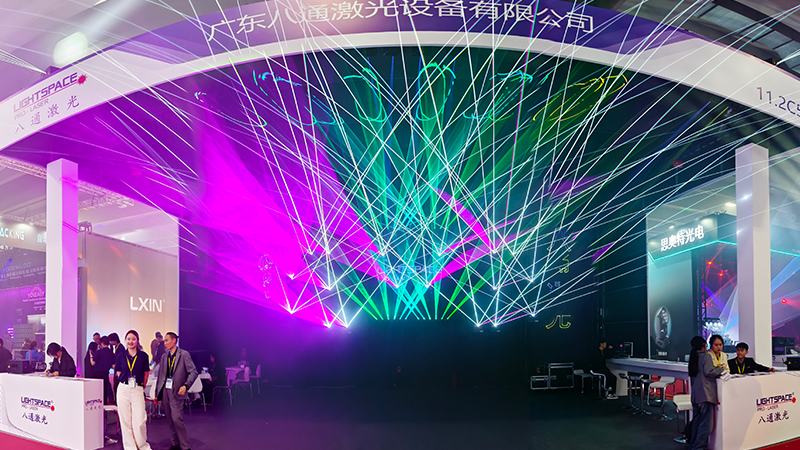
Although outdoor laser lights are stunning, improper use can lead to many safety hazards. The most important ones are eye damage and environmental interference. Mastering these safety knowledge can help you enjoy the beauty of light and shadow safely. According to the International Electrotechnical Commission (IEC) standards, laser lights are divided into four levels: Class 1 to Class 4. Class 3R laser lights commonly used outdoors may cause retinal damage even with short-term direct exposure to the human eye.
When using outdoor laser lights, first of all, avoid direct beam exposure to crowds, especially children and people with sensitive eyes. It is recommended to project the equipment at an elevation angle of more than 30 degrees to ensure that the beam path is at least 3 meters away from the audience’s heads. Secondly, control the power and irradiation time. The single irradiation time of Class 3R laser on the human body should be controlled within 0.25 seconds. For large-scale performances, a “dynamic energy adjustment system” can be used to adjust the laser power and direction in real time.
In addition, outdoor laser lights may also interfere with traffic and aviation. In areas close to airports and navigation channels, it is necessary to report in advance before use to avoid the beam affecting the normal flight of aircraft; at the same time, avoid direct laser exposure to vehicle drivers to prevent visual blind spots and safety accidents. In daily use, if staff are in the laser coverage area for a long time, they need to wear laser protective equipment that meets the standards to eliminate safety hazards.